1.The Engineering Edge – Why One-Shot Die-Casting Outperforms Traditional Assembly
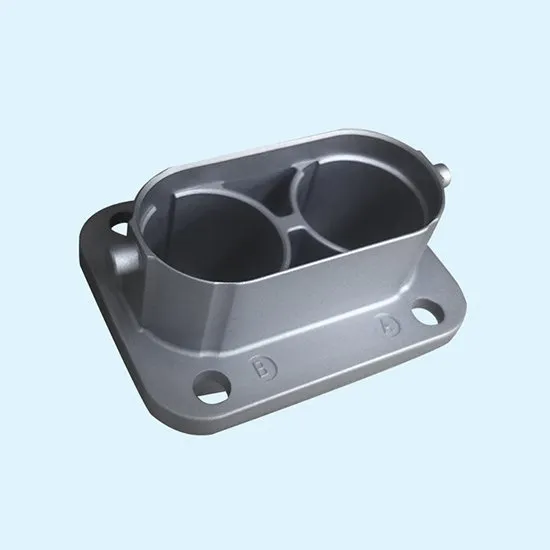
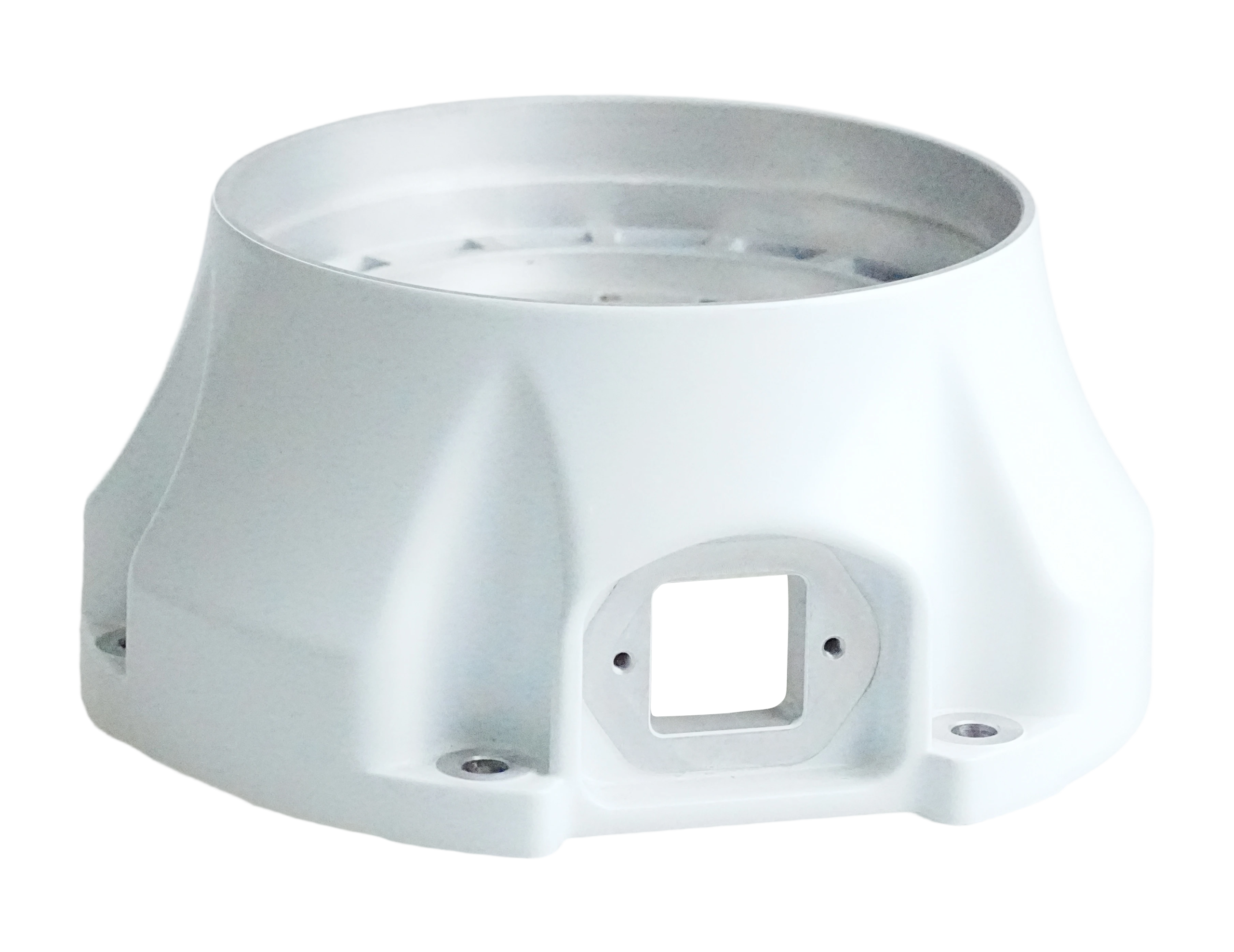
The precision achieved through high-pressure die-casting is remarkable. Molten aluminum is injected into a precision-machined steel mold at high velocity, allowing even ultra-thin wall sections down to half a millimeter to be faithfully reproduced. Critical features such as threaded holes, cooling fins, and locating pins can be cast directly into the part, achieving tight tolerances that often eliminate the need for secondary machining operations. For a robot joint housing or a motor bracket, this means the component arrives ready for final assembly, slashing lead times. The strength story is equally compelling. Without weld lines or joint interfaces, a one-shot casting distributes mechanical stress uniformly across the entire structure. When combined with vacuum assistance during injection to minimize trapped gas, the resulting material density and integrity translate into superior tensile strength and significantly enhanced impact toughness. A battery tray for an electric vehicle, for instance, can withstand substantial static loading without deformation, while a motor controller housing remains securely fastened under intense vibration, offering a service life far exceeding that of a comparable welded assembly. Furthermore, the lightweighting advantage is substantial. One-shot die-cast components can be up to forty percent lighter than equivalent steel structures and roughly twenty percent lighter than assemblies built from welded aluminum extrusions. This weight reduction directly improves robot agility and energy efficiency while meaningfully extending EV driving range, creating a cascade of savings in shipping, handling, and overall system cost.
2.Integrated Speed, Sustainability, and the Source Foundry Advantage
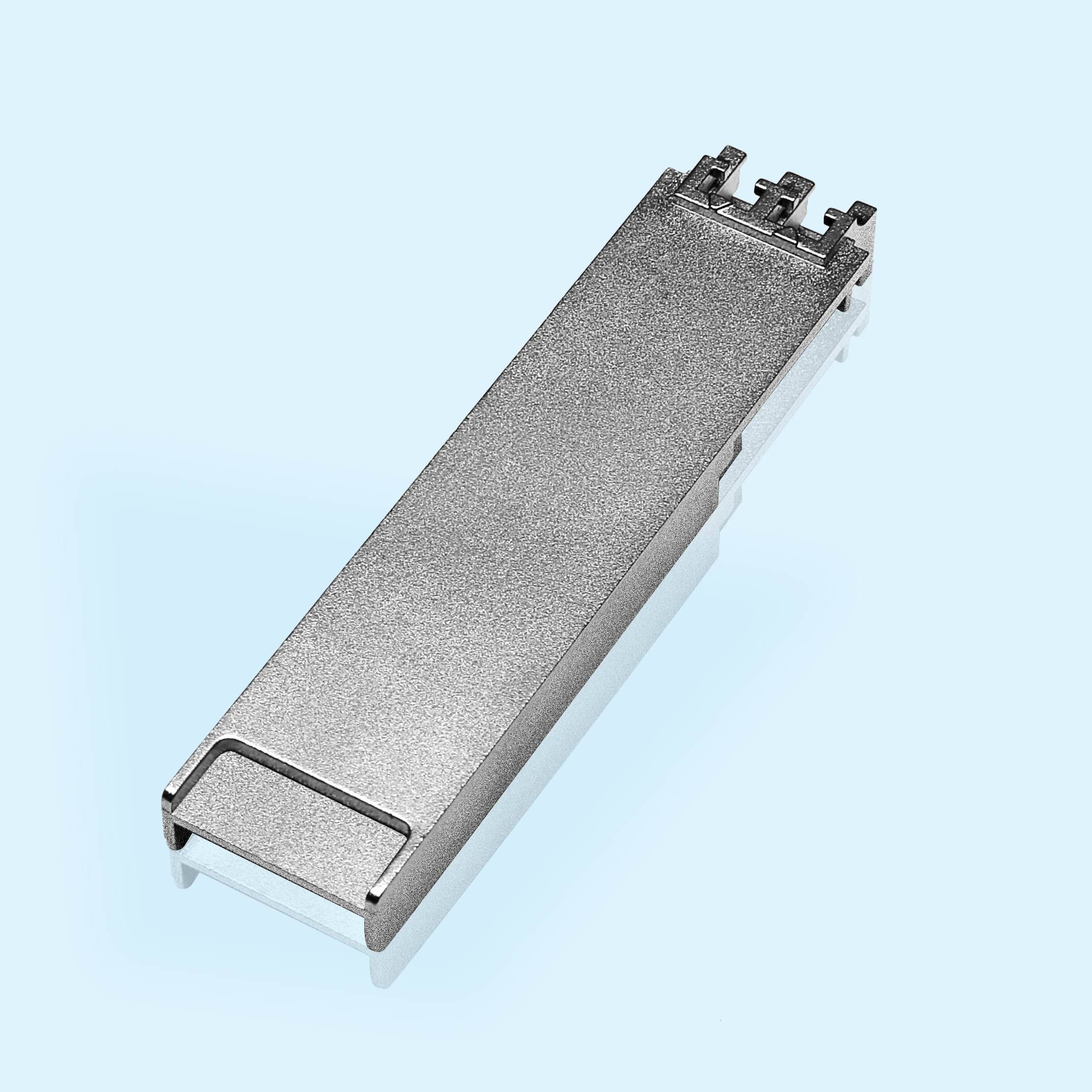
The benefits of one-shot die-casting extend beyond the component itself to the entire production and delivery ecosystem. For clients facing urgent timelines, the integrated capabilities of a full-service die-casting foundry are transformative. When the same facility designs and builds its own molds, controls its own aluminum melt, and performs all secondary operations—deburring, shot blasting, anodizing, laser marking—in-house, coordination bottlenecks disappear. Common blanks and standard finishes can be held in inventory, enabling sample quantities as small as five hundred pieces to be shipped within forty-eight hours, and full-scale production orders of one hundred thousand pieces to be completed and delivered within a single week. This responsiveness is not theoretical; it is operational reality, with die-casting cells running around the clock and finished goods departing for client assembly lines at daybreak.
Sustainability is also a core competency. Modern die-casting operations incorporate closed-loop recycling systems, where runners, overflows, and scrap generated during production are crushed and returned directly to the furnace on the same day. By reintroducing this clean scrap as a portion of the charge, overall aluminum utilization can exceed ninety percent, dramatically reducing the need for primary aluminum ingot. This practice not only lowers material costs but also significantly reduces the carbon footprint of each component, offering a tangible advantage when bidding on green-focused projects.