1.Lightweighting and Integration – The Core Advantages
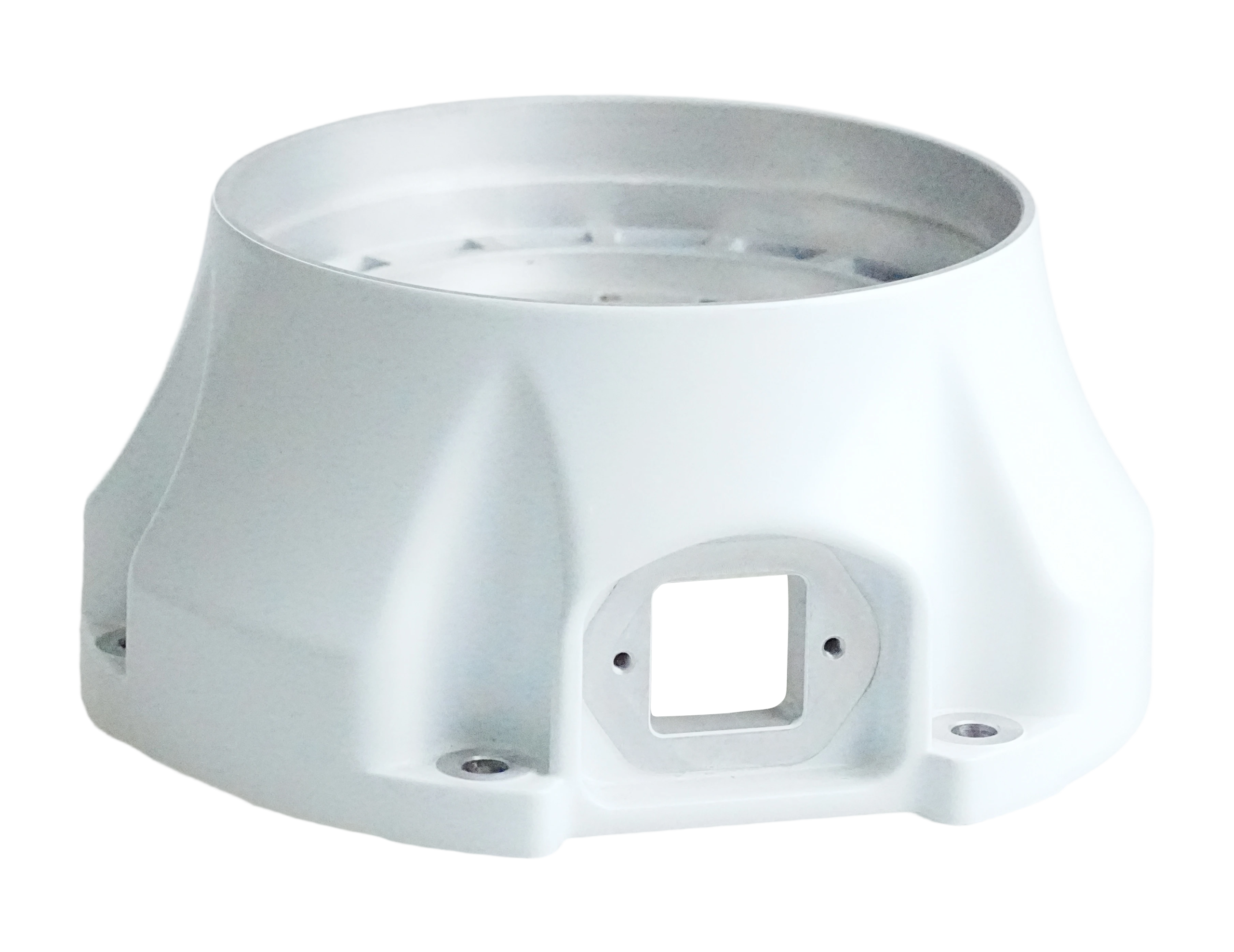
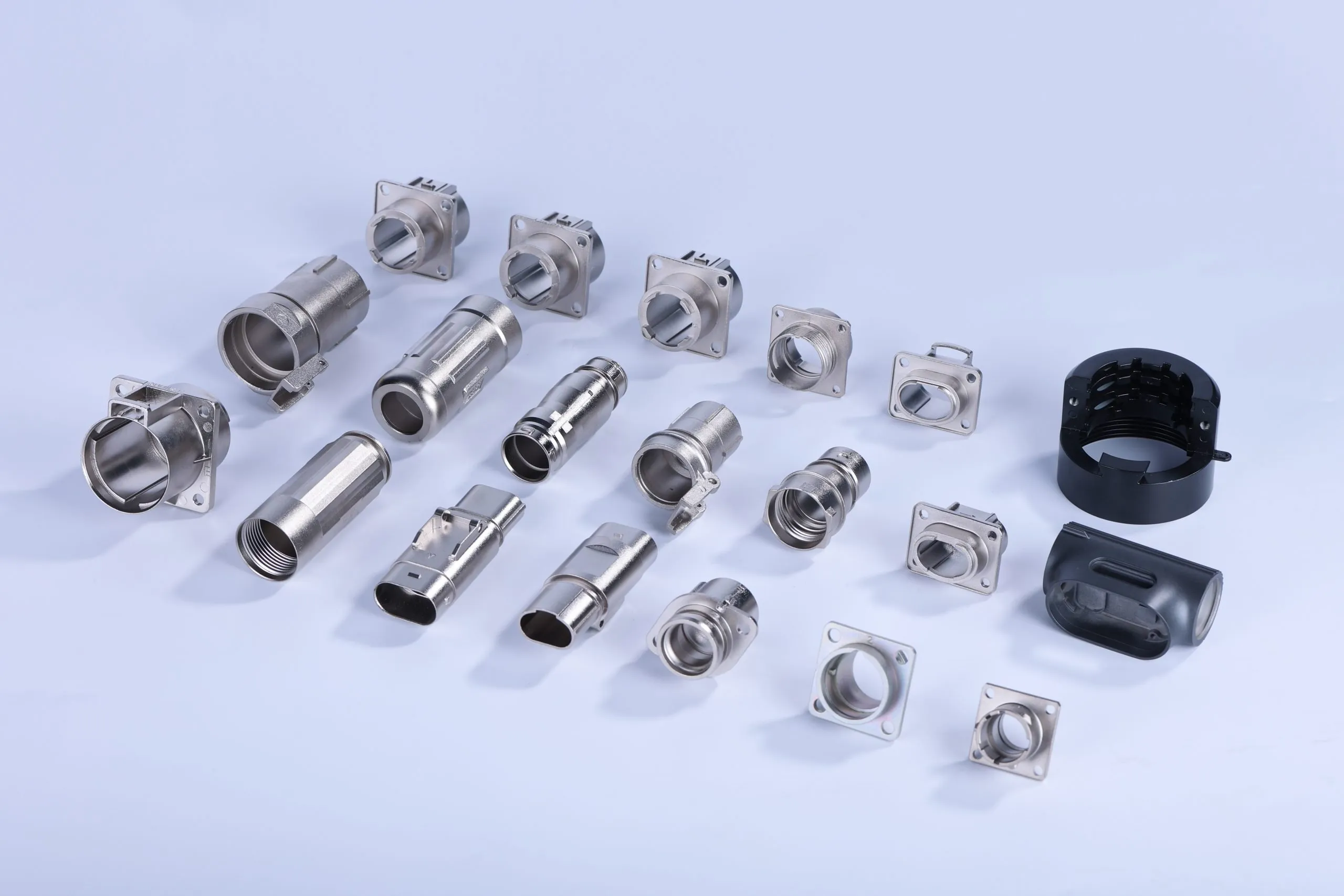
The shift to new energy vehicles presents two fundamental challenges: battery weight and manufacturing complexity. A typical 80 kWh battery pack already weighs over half a ton, making weight reduction essential for extending driving range. Aluminum, being roughly two-thirds lighter than steel, offers the most direct solution—every component converted to aluminum delivers measurable range gains without compromising performance. Beyond weight, there is the matter of production efficiency. Traditional steel body construction involves dozens or even hundreds of stamped parts welded together across lengthy assembly lines. Aluminum die-casting transforms this fragmented process by consolidating multiple components into single, integrated castings. Where conventional methods require hundreds of welding points, die-casting eliminates them entirely, streamlining assembly, reducing factory floor space, and cutting labor, energy, and time costs. Furthermore, the rapid pace of EV model iteration demands agility. While retooling for stamped steel parts can take months, modifications to die-casting molds typically require only four to six weeks, allowing manufacturers to bring updated models to market significantly faster.
2.Strength, Performance, and Future-Ready Manufacturing
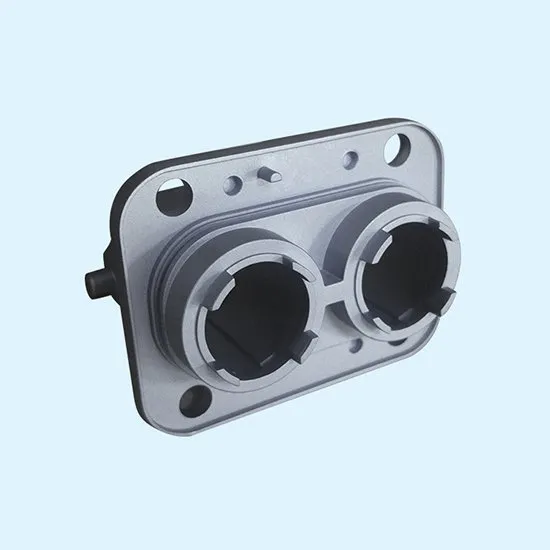
There is a common misconception that aluminum compromises strength. In reality, modern aluminum-silicon alloys achieve tensile strength exceeding that of ordinary steel. When combined with the seamless, one-piece nature of die-casting, eliminating weak weld points, these components often deliver superior crash performance. Leading EV manufacturers already rely on aluminum die-casting for rear body structures, front compartments, and battery trays. Thermal management is equally critical—motors, controllers, and battery systems are highly sensitive to heat. Aluminum’s thermal conductivity is roughly three times that of steel, making die-cast housings highly effective heat dissipaters without requiring additional components. The material’s naturally forming oxide layer also provides excellent corrosion resistance, eliminating the need for extra protective coatings. In summary, new energy vehicle success depends on reaching further, building faster, and delivering greater value. Aluminum die-casting serves as the essential enabler—addressing weight, cost, and time constraints in a single, integrated manufacturing approach.