1.A Shifting Economic Calculus: From Cost Pressure to Strategic Opportunity
The sustained upward trajectory of global copper prices is fundamentally reshaping the economics of metal component manufacturing, creating a pivotal and lasting opportunity for zinc-aluminum alloy die-casting. This shift is not merely a short-term market fluctuation but a structural change that alters the fundamental decision-making formula for engineers and procurement specialists across industries. As the cost of copper and traditional copper alloys surges, the total expense of copper-based components—from raw material to processing—experiences significant inflationary pressure. In this new economic landscape, zinc-aluminum alloys emerge as a compelling strategic alternative, offering a baseline material cost typically one-third to one-half that of copper, coupled with a substantial 30-40% reduction in energy consumption during the die-casting process itself. This dual advantage directly addresses the intensified focus on total cost of ownership.
This economic impetus is catalyzing a profound evolution in design and sourcing priorities. The historical paradigm, which often prioritized absolute material performance with less sensitivity to cost, is being recalibrated. A new, more balanced equation is taking hold, where functional performance, comprehensive cost (encompassing material, manufacturing, and lifecycle expenses), and accelerated time-to-market are weighted together to determine the optimal material solution. Zinc-aluminum alloys are uniquely positioned to score highly in this new calculus. Their inherent suitability for high-speed, high-volume die-casting enables shorter lead times and greater supply chain agility. Furthermore, this transition is being accelerated by parallel technological trends, particularly in high-growth sectors like 5G infrastructure and new energy systems. These fields exhibit exploding demand for thermal management components, an area where specialized zinc-aluminum alloys, with thermal conductivity approaching that of certain copper alloys, can now compete effectively. Simultaneously, the relentless drive for lightweighting—especially in electric vehicles, where a 10% weight reduction can translate to a 6-8% increase in range—provides an additional, powerful incentive to adopt the lower-density zinc-aluminum alloys over copper, turning a cost-saving measure into a performance-enhancing strategy.
2. Engineered Substitution: Delivering Performance Through Advanced Material Solutions
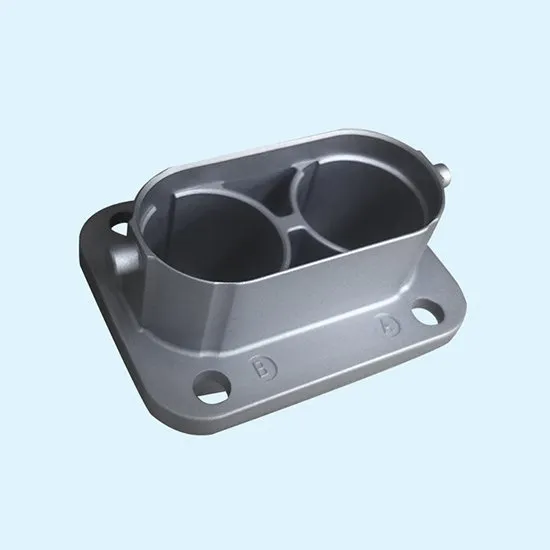
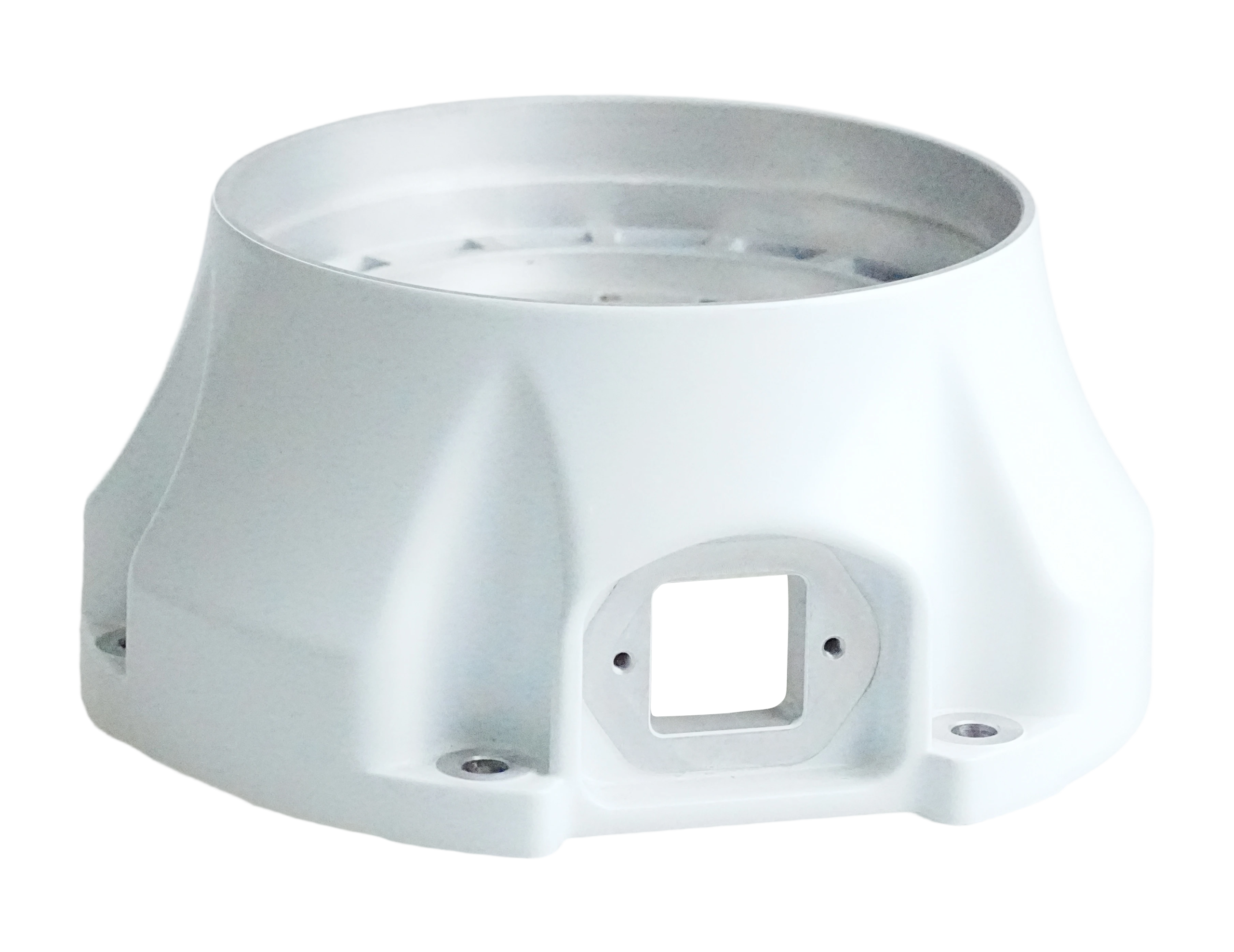
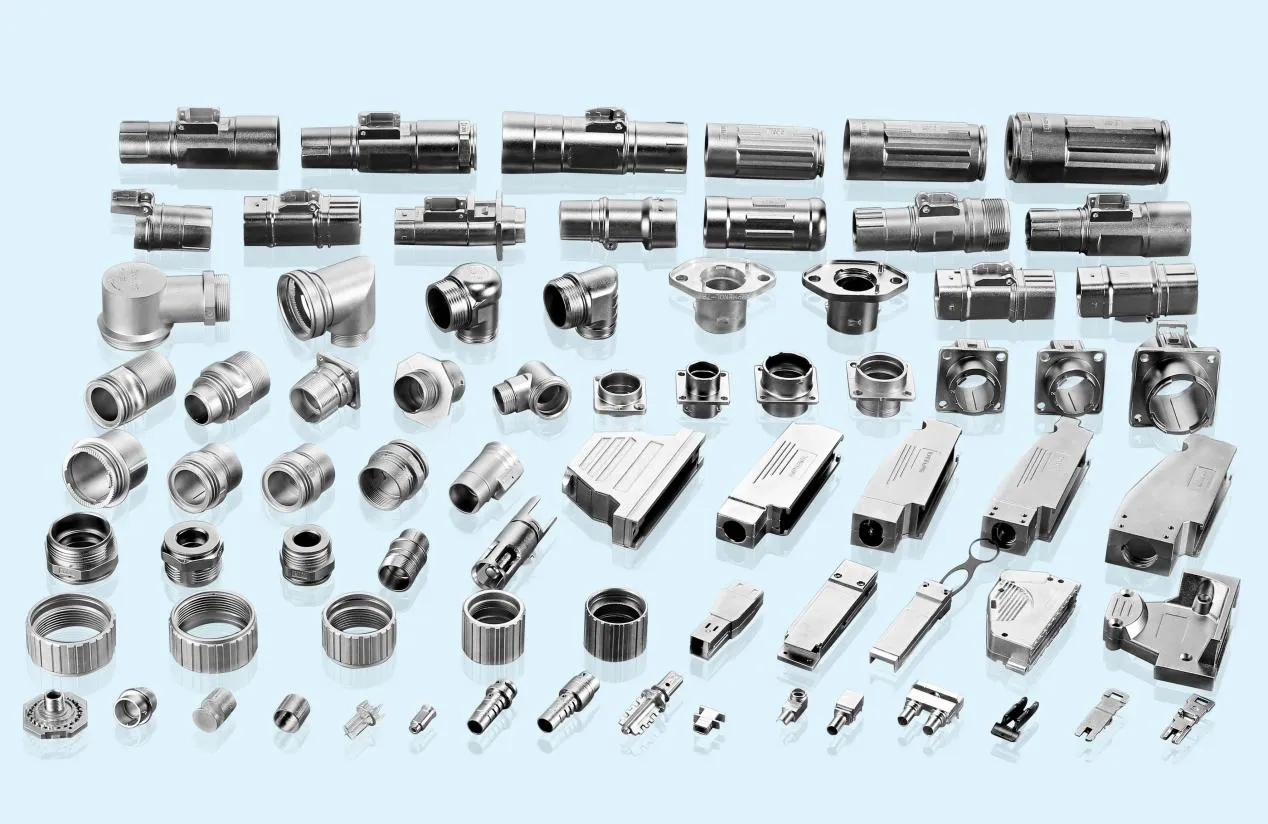
The opportunity presented by rising copper costs transcends simple, like-for-like part replacement. It invites a systematic re-evaluation of component design and material specification across multiple applications, with zinc-aluminum die-casting offering tailored advantages for each. This engineered substitution targets several key component categories where performance meets pragmatic cost restructuring. In electrical applications, such as connectors for photovoltaic junction boxes or charging stations, specific zinc-aluminum alloys provide sufficient electrical conductivity for many use cases while cutting component cost by half or more. For thermal management housings in 5G base stations or routers, zinc-aluminum offers an optimal blend of thermal performance, significant weight reduction, and superior surface treatment capabilities compared to copper. In mechanical systems, components like hydraulic valve bodies for agricultural or construction machinery benefit from the enhanced corrosion resistance and lower machining costs of zinc-aluminum alloys. Even in decorative applications, such as architectural hardware or furniture fittings, zinc-aluminum components can be precision die-cast and finished with advanced plating to achieve the aesthetic of copper or brass, all while benefiting from the longer mold life and faster cycle times inherent to the die-casting process.
The forward trajectory of this opportunity is being powered by continuous material science innovation, moving the industry beyond standard alloys. Research and development are yielding next-generation materials, such as high-thermal-conductivity zinc-aluminum alloys enhanced with silicon or graphene particles, pushing conductivity past traditional benchmarks to rival more expensive alternatives. The development of self-lubricating zinc-aluminum matrix composites opens new frontiers, potentially replacing copper-based bearing components in specific applications. For a forward-thinking die-caster like ENTRON Precision, the mission is clear: to avoid the commodity trap of low-price competition and instead position as a New Material Solution Provider. Our role is not to offer a mere cheap substitute, but to collaborate deeply with clients to engineer components that meet or exceed critical performance thresholds while fundamentally restructuring the overall cost architecture. We leverage the full spectrum of zinc-aluminum die-casting capabilities—from alloy selection and precision tooling to advanced finishing—to deliver solutions where strategic cost advantage and engineered performance converge, turning the challenge of copper prices into a durable competitive edge for our partners.